
In today’s competitive retail environment, choosing the right POS Point of Sale system can significantly impact the efficiency, profitability, and overall success of your business. While a simple cash register might have been sufficient in the past, modern POS systems offer a wide range of features that can help streamline operations, enhance customer experience, and provide valuable insights into your store’s performance. However, not all POS systems are created equal, and selecting the one that best fits your needs requires careful consideration. To help you make an informed decision, here are nine key features you should think about when selecting a POS system for your retail business.
1. User Friendly Interface
A POS system is only as good as your ability to use it. When selecting a POS system, look for one with a user friendly interface that is easy for both you and your staff to learn. A complex system can slow down your operations and frustrate employees, especially during busy hours. A good POS system should have intuitive navigation, clear instructions, and a clean layout that allows cashiers to quickly process transactions.This will minimize training time and ensure that your team can operate the system efficiently, leading to faster checkouts and happier customers.
2. Inventory Management Capabilities
Managing inventory is one of the most important parts of running a retail store. A POS system with advanced inventory management makes this process easier and more efficient. It provides real-time stock tracking, helping you monitor available products, low-stock items, and reorder needs. If you manage multiple locations, the system can track inventory across every store from a single dashboard. Automatic reorder alerts help maintain optimal stock levels, preventing overstocking and stockouts while ensuring you can consistently meet customer demand.
3. Integrated Payment Processing
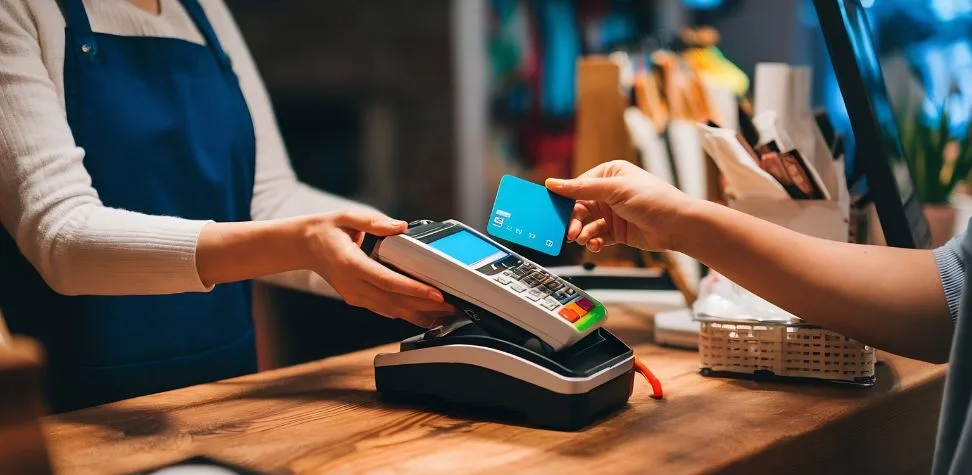
Integrated payment processing is an essential feature when choosing a POS system. It allows you to accept credit cards, debit cards, mobile wallets, and contactless payments with ease. This creates a faster and more convenient checkout experience for customers. It also reduces manual errors by automatically matching sales data with payment transactions. As a result, your staff saves time and improves accuracy. Choose a POS system that supports EMV chip readers and is PCI compliant. These features help protect customer payment information and ensure secure transactions.
4. Reporting and Analytics
Data is a powerful tool for making informed decisions in your retail business. A good POS system should provide detailed reporting and analytics features that give you insights into your store’s performance. Look for a system that can generate sales reports, inventory reports, customer behavior data, and employee performance metrics. With access to real time data, you can identify sales trends, track which products are selling the best, and understand your busiest times of the day or week. This information helps you make strategic decisions, such as adjusting your product offerings, planning sales promotions, or optimizing staff schedules.
5. Customer Relationship Management (CRM)
Building strong relationships with your customers is key to ensuring repeat business and long term success. That’s why it’s important to choose a POS system that includes CRM features, allowing you to collect and store customer data such as purchase history, contact information, and preferences. With a CRM integrated POS system, you can create personalized marketing campaigns, loyalty programs, and special offers tailored to your customers’ buying habits. This not only helps you retain existing customers but also encourages them to spend more with each visit. A good CRM feature can also enable you to send digital receipts, follow up with customers after their purchases, and encourage reviews, helping to build a positive brand reputation.
6. Scalability and Multi-Location Support
If you plan to grow your retail business or already operate multiple locations, it’s essential to choose a POS system that can scale with you. Look for a system that supports multi location management, allowing you to monitor sales, inventory, and customer data across all your stores from a single dashboard. Scalability means that as your business expands, your POS system can grow with you, without the need for a complete overhaul. It should allow you to add new registers, employees, products, or even new store locations with minimal effort. This ensures that your POS system remains a valuable asset as your business evolves.
7. Employee Management Tools
Managing employees efficiently is essential for every retail business. A reliable POS system simplifies daily workforce management. Look for features like clock-in and clock-out tracking, role-based access controls, and sales performance reports. These tools help monitor employee hours and individual sales. The collected data supports better scheduling and staffing decisions. Sales reports also identify top-performing employees and training needs. Role-based access controls improve business security. Employees can only access the features they need. This protects sensitive financial reports and other important business information.
8. Integration with E-commerce Platforms
With the rise of online shopping, many brick-and-mortar stores are expanding their presence to include e-commerce. A POS system that integrates with online sales channels can make this transition smoother by allowing you to manage both in-store and online inventory from a single platform. This integration ensures that inventory levels are updated in real time across all sales channels, preventing overselling and improving the customer experience. It also simplifies order management, allowing you to process online orders seamlessly and manage shipping and returns more efficiently. For retail stores looking to tap into the e-commerce market, this feature is a must.
9. Robust Security Features
Security is a critical concern for any retail business, especially when handling sensitive customer data and payment information. A good POS system should include robust security features to protect against data breaches and fraud. Look for a POS system that is PCI compliant and offers end to end encryption for payment processing. Additionally, the system should have user based permissions, allowing you to control who has access to specific parts of the POS system. This helps prevent unauthorized access to sensitive information and ensures that only authorized personnel can process refunds or access sales reports. Regular software updates and a reliable support team are also important for maintaining the security and functionality of your POS system. Make sure that the provider you choose offers timely updates and technical support to address any issues that may arise.
Conclusion:- Choose the Right POS System for Your Retail Store
Selecting the right POS system for your retail store is an investment in your business’s future. By carefully considering these nine POS System Features, you can ensure that you choose a system that meets your current needs and supports your long term goals. From simplifying the checkout process and managing inventory to providing valuable data insights and enhancing customer relationships, the right POS system can streamline your operations and drive growth. Take the time to research different POS providers, request demos, and read reviews from other retail business owners. By making an informed decision, you will be able to find a POS system that not only saves you time and money but also helps you deliver a better experience for your customers. A well chosen POS system can be the difference between simply keeping up with the competition and truly thriving in today’s dynamic retail environment. Make the right choice, and watch your Retail business reach new heights of efficiency and success.

Founder & CEO of Gokul System Solutions: Based in Schaumburg, Illinois, he leads a company providing Point of Sale (POS) and payment solutions for retail industries in the USA, Canada, UK, and India.