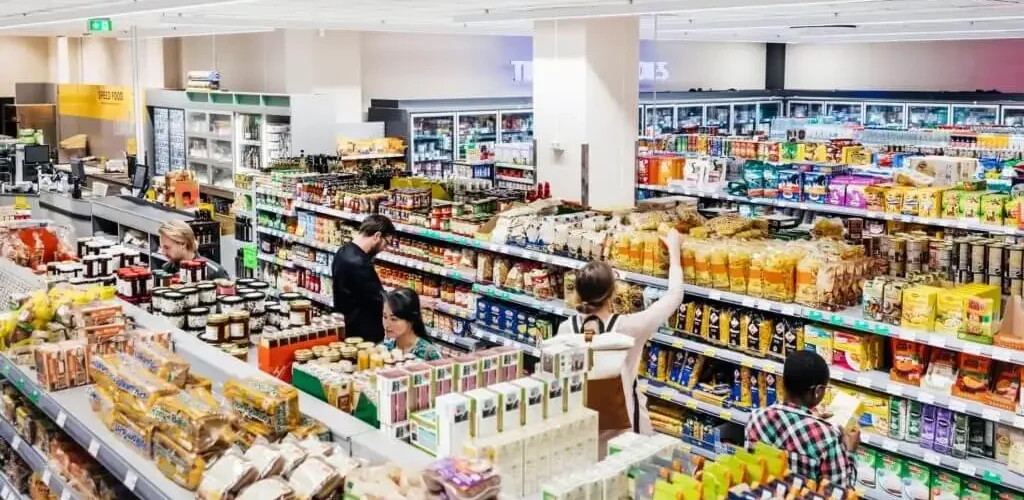
Running a retail store is a very real hands on experience. Whether it’s a small neighborhood shop or a large multi-location store every day comes with moving parts. Customers meet different expectations; inventory moves faster than expected and staff rely heavily on systems to keep things flowing. A Retail store POS is no longer just a cashier it tracks stock customer behavior and daily operations quietly come together. When the POS is working well the store feels organized; when it is not even simple tasks start feeling complicated.
POS for small versus large retail stores
Retail stores do not work the same way. A small boutique and a large department store might sell products, but their daily needs are very different. A pos has to fit your business size and does not force your business to adapt to the software.
How small retail stores actually use POS systems?
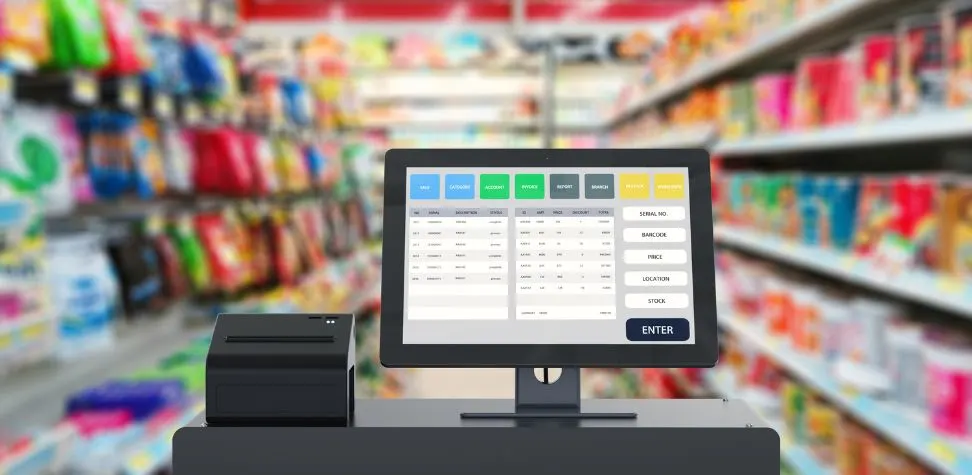
Small retail stores usually run on tight teams and tight margins. Often the owner is directly involved in daily operations opening the store handling suppliers and sometimes even working the counter. For smaller stores or POS needs to be simple and dependable. It should not feel heavy. You need to see sales quickly understand which products are moving and how the day was without dealing with complicated reports. A POS that slows down checkout or requires too many steps becomes a burden.
Why flexibility matters more for growing stores?
Many retail stores don’t stay small forever. They have more staff long hours and even sometimes a second location. A POS system that works today should still make sense six months from. It is exactly where flexibility becomes so important. A good retail store allows a store to start simple and gradually add features as the business grows. Inventory tracking can become more detailed and reporting and become deeper.
Large retail stores need structure not complexity
Large stores deal with scale more staff, more inventory and more transactions. The system acts like a Control Center here. In bigger stores consistency matters. Staff shifts change and departments vary. A POS must enforce structure and discount items without slowing things down. Part of the store also depends heavily on reporting full staff managers need to know what’s selling and what is stuck in stockrooms. The POS should provide clarity without requiring manual data cleanup.
Inventory and billing automation
Inventory and billing are where you either stay in control or slowly lose money. Manual tracking and billing errors add up quietly. Automation is not about replacing people, it’s all about removing avoidable errors.
Why inventory automation matters in retail?
Retail inventory moves constantly. Products coming in products go out returns happen in prices even change. Trying to track all of this manually or through disconnected systems leads to confusion. A good POS updates inventory automatically every time a sale is made. Real time accuracy helps you trust your numbers when the system says an item is low it is actually.
Handling multiple product types smoothly
Retail stores often sell more than one type of product, colors styles, bundles inventories, not just one item. A strong POS handles variations properly and each version of product is tracked individually so you exactly know what’s selling and what’s not. This is especially important in clothing electronics and lifestyle retail. When variation tracking is weaker, shelves look full, but customers cannot find what they want.
Billing automation reduces check out friction
Billing is actually where your customers feel the most. If the checkout is slow or confusing it reflects poorly on the store not the software automated billing and share prices taxes and discounts are applied correctly every time. Your staff does not need to remember rules the POS does for them. This reduces errors and keeps the checkout calm even during busy hours.
Omni channel readiness
Retail today doesn’t happen in one place. Customers move between online browsing pickups and social discovery. Omnichannel readiness is not just a buzzword, it’s how modern retail actually works.
Customers don’t separate online and offline
From a customer’s perspective, your brand is one thing they do not care about whether a product is listed online or sitting on the shelf. They just want availability and convenience. A retail POS should reflect this reality. Your inventory should sync across channels, so what’s shown online matches what’s in store, nothing frustrates your customers more than seeing an item online that is not available actually.
Click and collect expectations
A lot of customers today expect to order online and pick up in store. This requires coordination between inventory billing and staff workflows. A POS that supports Omni channel sales helps your store fulfill all the orders smoothly. Items are reserved correctly and payments are tracked, and your staff also exactly knows what needs to be prepared.
Handling returns across channels
Customers increasingly expect flexibility. If they buy online, they might want to return to the store. And Omni channel ready POS supports this without confusion. Transactions are recorded across systems and inventory updates correctly no matter where the return happens.
Unified customer experience
Omnichannel readiness also affects how customers feel. When pricing availability and service are consistent across all channels it trusts builds naturally. A POS that connects data from different touch points helps your store maintain consistency. Retail keeps evolving new platforms and new shopping habits emerge regularly. Apos that is built with omnichannel thinking allows your stores to adapt instead of reacting.
So, a Retail POS system in Chicago needs to work for the reality of modern retail not an idealized version of it. It must adapt to small and large store needs and also automate inventory and billing without complexity. When all these areas are handled well daily operations feel lighter stop your staff can work with confidence and customers experience consistency. As a store owner also, you can spend minimum time fixing problems and more time growing your business.

Founder & CEO of Gokul System Solutions: Based in Schaumburg, Illinois, he leads a company providing Point of Sale (POS) and payment solutions for retail industries in the USA, Canada, UK, and India.