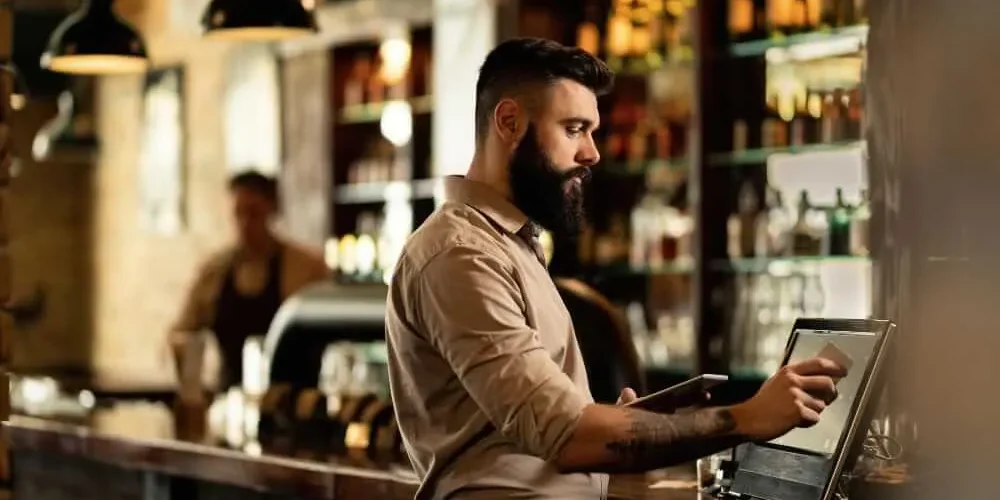
Running a bar in Chicago is a whole different rhythm from lots of other small businesses. Nights are loud and orders move fast and customers expect drinks within few minutes not after a few minutes’ checkout routine. Bar POS systems have to keep pace with that energy lightning fast at the register smart enough tracking pores and bottles and careful enough to help prevent losses without turning your staff into suspects.
High Speed Billing Needs
Speed at the register is everything. When people come in, they want a quick drink and a smooth experience instead the difference between customers staying for another round or leaving can be few seconds at the till.
Why speed matters more than you think?
A slow POS doesn’t just annoy customers it reduces your ability to sell. Just imagine a busy Friday night where there’s a line bartenders are juggling bottles and others and every extra second spent tapping screens is an extra person who might leave or stop ordering. In a bar transactions are high volume and low margin speed converge directly into sales and atmosphere. Fast Point of Sale POS can actually keep that energy high.
The basics of a fast billing workflow
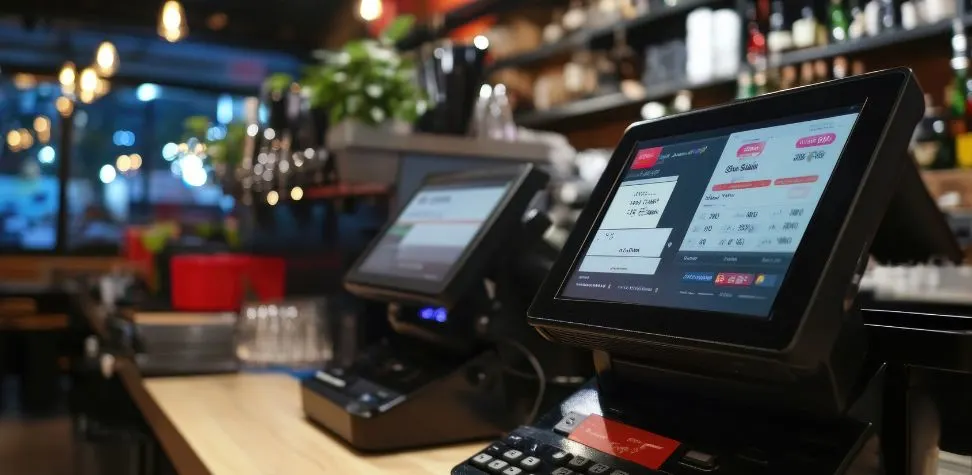
Fast billing starts with how the interface is designed. You just need one tap of access to common drinks, easy ways to add modifiers and instant access to teams. The best workflows keep the number of taps tiny. Ideally a bartender scans or chooses a drink and modifier if needed and the order is paid in just one smooth motion without hopping between screens. Tab management is another core speed feature. Many guests open a tab and order multiple times. Bar POS must let you quickly open and add 2 and close tabs with options to split merge or even apply discounts without digging through menus.
Handling peak times without creating chaos
Peak covers show the real difference in POS systems. The software must stay responsive even when your network is busy and where dozens of orders and payments are happening per minute. This often comes down to two things software design and hardware pairing. Local coaching for offline operation and fast card readers all just help you.
Payments that don’t kill the vibe
Payment speed includes card and contactless processing. Customers increasingly prefer tap to pay and mobile wallets. A slow card reader or clumsy payment flow ruins the momentum. Look for Point of Sale POS flows that minimize confirmation screens and support quickly. Also tipping should be flexible, tip by percent or amount or split across the team without awkward manual math.
Reducing human error under pressure
Fast does not mean sloppy. Under pressure, simple mistakes happen wrong modifiers wrong tabs and wrong guests. A Point of Sale POS that reduces required inputs, and defaults for common choices reduces those errors. For example, having favorite drinks as one tap items or auto paying taxes shows a tab summary before closing helps prevent mistakes while keeping the speed high.
Inventory and Pour Control
If billing is how money comes in inventory and pour control or how money is protected. Drinks, especially spirits and craft beers, present a major chunk of a bars cost. Tracking their inventory closely is where a PCOS can save you a lot of money.
Why simple counting is not enough?
A stock list on a clipboard Won’t cut in a busy bar. Without precise control you are allowing shrinkage through waste over pouring and making mistakes. Pore control combined with tight inventory tracking turns the vague we lost stock feeling into clear numbers you can act on.
Pour tracking methods that actually
There are few practical ways to control poles that work with POS systems measured pore sprouts or tap or pores sensors and recipe-based portioning. The importing thing is consistency if you set a standard port for a short or a measuring pore, your cocktails the POS should align with that standard. Many bars also use hardware like flow meters on taps or smartphone spouts that measure volume and send data to the POS for bottles some shops use manual input after each shift, but the best approach is automated measurements when possible.
Linking recipes for inventory
Cocktail menus with multiple ingredients create complicated inventory math’s. If your POS lets you build recipes, each sale can automatically deduct the exact amount of each ingredient. This is essential for cocktails that use multiple syrups and spirits. Without recipe linkage a single Margarita comes as a messy guess of lime and tequila stock. Recipes also help with cost control; you can see the actual beverage cost per drink and the gross margin. The data is powerful when setting prices and running happy hours.
Theft Prevention
Theft is one of the most sensitive subjects in the bar. It happens in different ways outright theft accidental overpouring or even friendly staff taking product home. A pos that helps prevent theft by making problems visible.
Making loss visible not accusatory
The first step in preventing it is visibility. When you can see patterns, sudden inventory drops, refund spikes or repeated comps via single supply issues are no longer rumors. But visibility should be about improving systems not finger-pointing.
Control that reduces temptation
Simple process controls help reduce opportunities for theft. These include permission levels, manager approvals for refunds, or limits on voids. For example, points that exceed a certain amount could require a manager’s pin. That does not make staff feel policed; it makes policy clear. When a bar Point of Sale POS handles building rapidly control pores and inventory precisely and helps prevent thieves through visibility and sensible rules the bar runs smoother. Staff are less stressed and customers get served faster and the owner can actually see where money is being made. A system that supports those three areas quietly becomes the backbone of your successful bar operation night After night in a place where pace and accuracy both matters.

Founder & CEO of Gokul System Solutions: Based in Schaumburg, Illinois, he leads a company providing Point of Sale (POS) and payment solutions for retail industries in the USA, Canada, UK, and India.