Slow counters, lost items, incorrect pricing and confused clerks won’t fit into a busy convenience store. They have people who are shopping for fast buys, not waiting hours. Hence, an advanced Convenience Store POS has emerged as something more than a billing machine. Just like the control desk in any retail store, it combines the checkout process, inventory, pricing, reporting and employee management. Equipped with the correct POS, any owner of the business will have an opportunity to serve more customers, to prevent costly mistakes and to make better decisions every day without going through the loose bills and old spreadsheet tables.
This article takes a closer look at how a modern POS system supports faster operations, improves day-to-day management, and helps convenience stores remain competitive. It shows how a convenience store POS system is a dependable solution for running a store smoothly.
Role of POS Systems in Improving Convenience Stores Efficiency and Competitiveness
Convenience stores survive on speed, accuracy, and smart stock movement. A modern POS system helps the owner handle all three by turning daily sales activity into clear, usable information instead of scattered guesswork.
Accelerate Billing and Reduce Customer Waiting Time
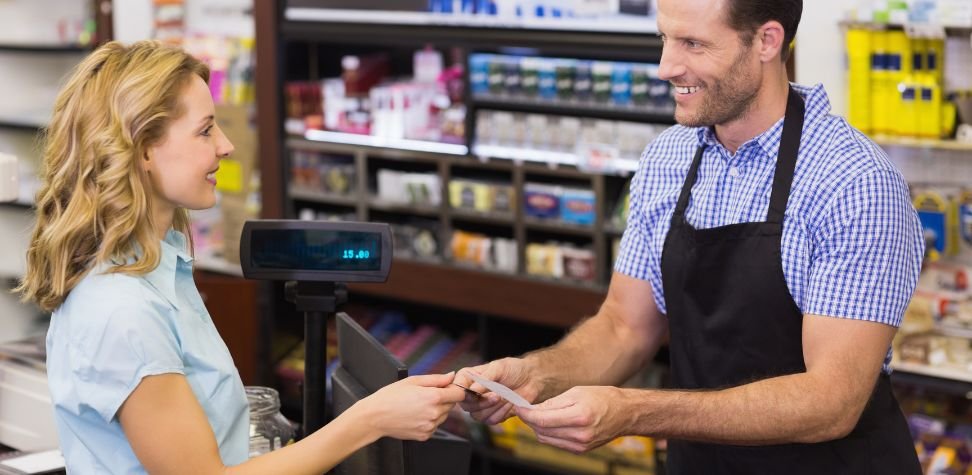
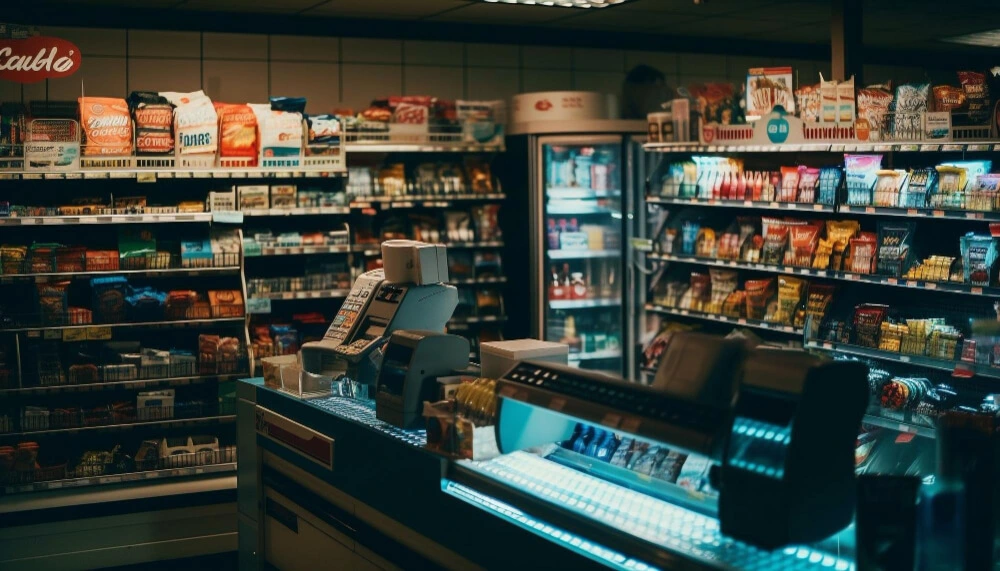
During peak traffic hours in the morning, at lunchtime or in the evening, even a small delay at the counter can push customers away. An advanced POS system is able to improve the efficiency of the billing process due to barcode reading, fast pricing of the products, automatic discounts and payments. No need to search for prices, manual calculations and remembering about promotions.
The system carries out the heavy work; the cashier only needs to be concerned with speedy service. This is really important in convenience stores, as most people come with just some things and don’t want to spend any more than a few minutes. Quick checkout is equally helpful during high demands of snack and beverage, tobacco product, lottery, fuel add-on, and daily essentials. Customers will readily come back when they see a smooth line. The quicker customers are billed, the more sales can be made, the more loyal customers will become, and the less counter abandonment will occur over time.
Track Inventory with Greater Accuracy
Convenience stores stock a wide range of fast-moving, seasonal, and small-ticket items. Supplier price changes can also affect inventory planning. Without a reliable inventory system, stores often overstock slow-selling products and run out of popular items. A modern POS system updates inventory in real time after every sale. This helps owners identify best-selling products and make smarter purchasing decisions. Ordering becomes easier because it is based on accurate sales data instead of manual shelf checks.
A POS system also alerts staff when stock levels are low. This helps reduce lost sales and prevents inventory shortages. It improves visibility for products with expiry dates, batch tracking, or frequent replenishment. A Convenience Store POS System helps store owners reorder at the right time. It also prevents overstocking and ensures popular products remain available for customers every day.
Provide Clear Visibility into Sales Performance
A convenience store may look busy all day, but foot traffic alone does not tell the full story. Store owners must understand what products are selling repeatedly, what products are selling well when, and what promotions are effective. A modern point of sale system captures all sales and converts them into easily readable reports. View daily sales, peak hours, average bill value, product-wise movement, cashier performance and category trends from one dashboard.
This renders better planning of shelf space, adjusting pricing and easily restocking the bestsellers or removing items that are not earning enough. A Convenience Store POS platform also enables owners to calculate the weekdays, weekend, holiday and seasonal demand without having to make a guess. This visibility works against the larger stores, local markets and local online deliveries.
Improve Employee Retention and Satisfaction
Slow, confusing or outdated checkout systems put immense pressure on store staff. They face the challenge of dealing with waiting customers, deal negotiation, stock inquiries, refunds, and end-of-shift balancing. You can easily make your staff’s job easier with a modern POS system. As they have a clear screen, the items can be quickly looked up, the payment is simple, and there are fewer manual steps.
New staff can gain quicker knowledge as the process is guided and consistent. Experienced staff won’t have to memorize every offer, tax rule or price change, which means that they have less stress. Staff feel better equipped to provide good service to customers when they have the right tools. It also minimizes errors, which could result in blame and rework. Happier employees can lead to reduced turnover rates, easier recruitment and training, and a more stable team of staff for convenience store owners.
Strengthen Control over Business Operations
A convenience store owner needs to monitor stock, cash flow, supplier orders, staff activity, returns, discounts, daily closing numbers, etc. A cutting-edge POS system integrates these controls into a single system, making your business much simpler to manage, even when you are not at the counter. It can keep tabs on user logins, price changes, record refunds, separate cashier activity and present end-of-the-day reports.
This kind of control minimizes blind spots and creates difficulty for small losses to creep through the cracks of business operations. Store owners can also be alerted to unnormalized sales, multiple voids, lost inventory or mismatched cash. This is helpful for single retail locations and even more important when it comes to multi-location stores. The stronger the control, the calmer and more practical the decisions.
Enhance the Accuracy of Inventory, Sales Data, and Pricing
The negative consequences of wrong pricing and poor data can be insidious for a convenience store. If the prices on the shelf are not the same as on the bill, the customer might not be able to trust your store. With incomplete sales reports, store owners might order the wrong products. Staff may lose time correcting simple mistakes that should not happen at all.
A modern Convenience Store POS system can help resolve these problems, as it integrates product information, price books, stocks and booking details. As a bar code is scanned, the system returns the correct price and updates the sale in real time. Even when suppliers change costs, prices can be updated more cleanly across the system. This improves billing accuracy and protects margins. It also provides convenience store owners with reliable data for buying decisions, promotions, and daily planning.
Instead of working with rough estimates, your store runs on clear figures. Better accuracy builds customer trust, reduces disputes, and keeps your business moving with fewer interruptions.
Run Your Business Seamlessly with Advanced POS Systems
We at Gokul POS help convenience store owners move from scattered daily management to smoother, smarter retail control. Our Convenience Store POS system is built to support fast billing, barcode scanning, inventory updates, sales reports, employee access control, price management, and easy payment handling.
Whether you run a compact corner shop or a growing multi-location store, we help you organize the counter, back office, and stockroom through one practical system. You get the tools to serve customers faster, track every product better, and understand your sales without wasting hours on manual checking. This makes retail management much simpler.
Conclusion
A modern POS system helps a convenience store stay quick, accurate, and ready for busy days. It reduces counter delays, improves stock control, supports staff, and gives owners a clear view of the business.

Founder & CEO of Gokul System Solutions: Based in Schaumburg, Illinois, he leads a company providing Point of Sale (POS) and payment solutions for retail industries in the USA, Canada, UK, and India.