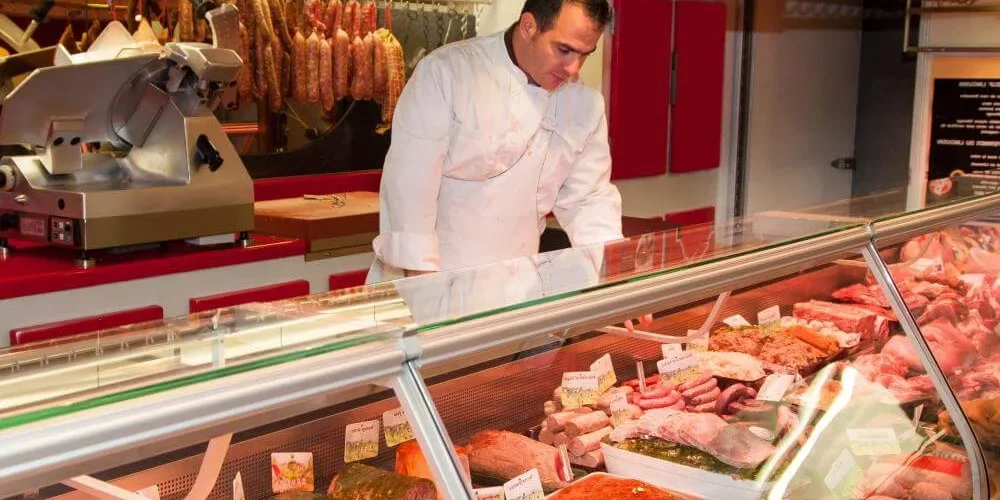
Running a meat market is not like running a regular retail store. Nothing is fixed or even predictable. Every cut is different, every customer order changes and every day you are working against time. Products are fresh prices move with supply and mistakes didn’t just cost money they turn into waste. In a Meat market POS system is not just a billing screen it’s the tool that helps you price fairly track what’s scalable and make sure nothing gets lost between the cutting table and the counter when the POS works well the day flows when it does not errors pile up fast instead of
Weight based billing changes
Weight-based billing is the heart of every meat market and it’s almost where problems start. Unlike packaged retail nothing is uniform. 2 pieces of the same cut rarely weigh the same, and pricing depends entirely on accuracy.
Why weight billing is more complex than it looks?
On the surface billing by weight sounds very simple weigh the meat multiply by price per pound and print the bill . But in reality, there is a lot more happening. Different cuts at different prices. Some items are weighed after trimming and others before. Sometimes bones are included and sometimes not. You are constantly switching between cuts, customers and special requests. In this environment even small delays, our errors cause frustration. A meat market POS must work seamlessly with weighing scales. There should be no manual number entry whenever possible.
Speed matters at the counter
Meet counters get busy fast especially during weekends and holidays. Customers who don’t like waiting always are typed in or calculated. A good POS allows you to vaporize and bill in one smooth motion. The less switching between devices or on screens the better. When billing feels effortless you can stay calm and customers can stay patient.
Avoiding pricing mistakes
Pricing takes hard both sides over charging damages hurt undercharging cuts margins silently. Weight based POS systems held by applying correct price per weight automatically for each cut you don’t have to remember prices or double check calculations. The system does the math consistently every time. Consistency is especially important when prices change frequently due to supply or seasonal demand.

Batch and expiry tracking
Fresh meat is unforgiving. Time is always ticking and once a product loses its safe window it’s no longer sellable. Batch and expiry tracking is not optional for its survival.
Why batch tracking matters in meat market?
Meat does not arrive at one point at the time it comes in batches from different suppliers on different dates, sometimes with different quality levels. Without batch tracking everything blends together you lose visibility into what arrived when which batch needs to move first and which one needs close monitoring. Or proper POS allows batches to be recorded at receiving. Each batch can be tagged with arrival date and supplier this creates clarity.
First in first out only works with the system supports it
Most meat markets try to follow first in first but doing it manually is challenging. During busy hours you might just grab what’s closest and what arrived first. Or POS tracks batches help reinforce first in and first out and you can see which batch should be sold first and which should stay back.
Expiry tracking prevents last minute Panic
Few things are worse than discovering expired meat at the end of the day. That’s money straight into the bin. With expiry tracking the POS highlights items approaching the sale by date. This gives you time to adjust the pricing and promote those cuts. Advanced visibility turns expiry from a surprise into manageable decision.
Handling recalls and quality issues
Occasionally supplier issues recalls or quality warnings. Without batch level records responding becomes messy or risky. Or POS with batch tracking lets you identify affected stock quickly. Or POS also ensures that your customers are protected.
Building confidence with customers
Customers trust meat markets that feel organized and transparent. When your staff knows the Stockwell and answers question confidently that trust grows. Behind the scenes batch and expiry tracking makes that confidence possible.
Reducing wastage
Wastage is the quiet profit killer in the meat market. It doesn’t always show clearly on reports. But overtime it eats more than you might even realize.
Understanding where waste actually comes from
Waste does not come from expired meat it comes from over ordering poor portioning and incorrect pricing or lack of visibility. If you don’t know what sells fast and what lingers ordering becomes guesswork. Guesswork also leads to excessive stock and excessive stock leads to waste.
Seeing sales trends clearly
When sales data it’s clear you can see which cuts move quickly and which ones don’t. That insight changes ordering habits. Instead of ordering the same quantities every week you start ordering smarter, less slow moving stock, which means less spoilage.
Managing markdowns before it’s too late
Not all meat needs to be thrown away when it nears expiry. Sometimes the small price adjustment moves it quickly. A POS that shows expiry timelines allow controlled markdowns you reduce wastage without training your customers to expect discounts all the time.
Better portion control
Weight based data collected over time reveals portion trends. You can see average weights sold per cut and adjust preparation accordingly. Better portion control means less trimming waste and more sellable products.
So, a Meat market POS system in Chicago has one main job to help you stay accurately organized and efficient in a business where time and freshness rule everything. It must handle weight based billing without errors, track batches and expiry clearly and also reduce wastage through visibility. When these three areas work together the market feels under control even on busy days. Staff move confidently and customers trust the counter and waste stops eating into profits silently. The best POS does not quietly change how you run your meat market, it simply supports quietly and reliably every single day.

Founder & CEO of Gokul System Solutions: Based in Schaumburg, Illinois, he leads a company providing Point of Sale (POS) and payment solutions for retail industries in the USA, Canada, UK, and India.